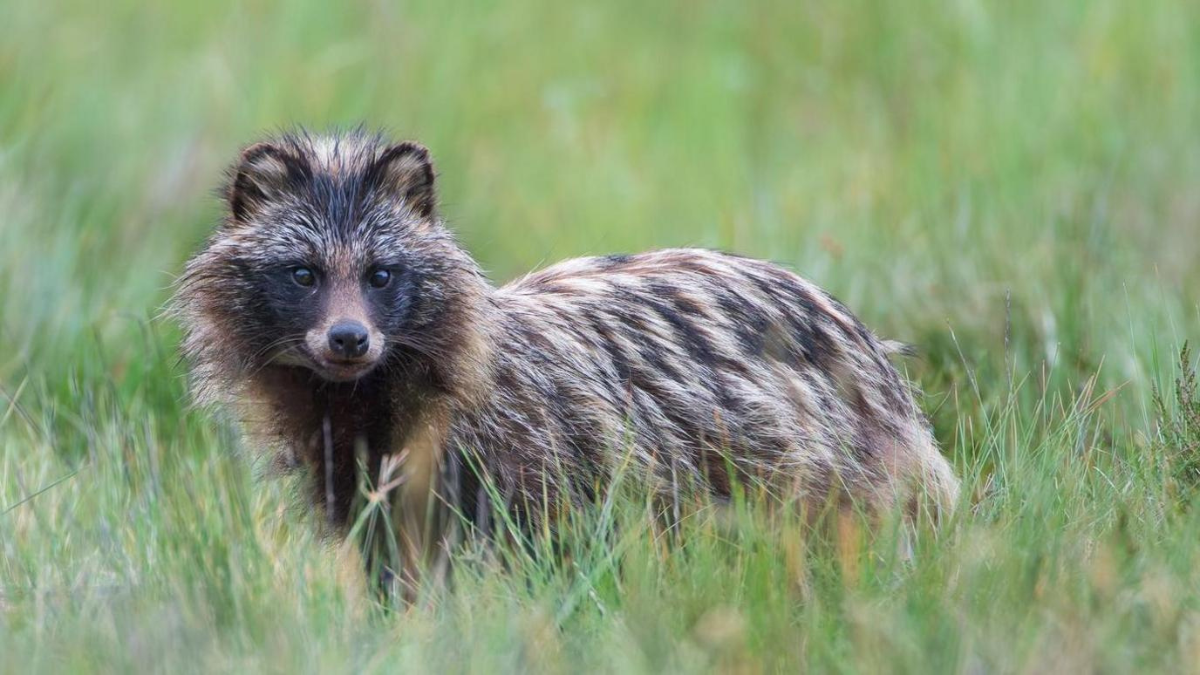
The question why are raccoon dogs illegal has gained attention as these unique animals become more visible online. Although they may appear harmless and even cute, raccoon dogs pose serious risks that have led many governments to ban or restrict them. Their presence outside their natural habitat can create environmental imbalance, spread diseases, and threaten native wildlife.
Understanding why are raccoon dogs illegal requires looking beyond their appearance. These animals are not suitable as pets and can cause long-term ecological damage if introduced into non-native regions. In this article, we will explore the key reasons behind these laws, including environmental risks, public health concerns, and legal restrictions that explain their controversial status.
What Are Raccoon Dogs and Why Do They Attract Attention?
Raccoon dogs are small mammals belonging to the canid family, which includes foxes and wolves. Despite their name, they are not related to raccoons. Their distinctive face markings and fluffy fur make them look similar to raccoons, which often confuses people and increases curiosity about them.
These animals are native to East Asia and are known for their adaptability. They can survive in forests, wetlands, and even urban areas. This flexibility allows them to spread quickly when introduced to new environments, which is one of the main reasons discussions about why raccoon dogs are illegal have become so important.
Another reason they attract attention is their behavior. Unlike many other canids, raccoon dogs can hibernate during winter in colder climates. This rare trait, combined with their omnivorous diet, makes them highly resilient and capable of thriving in diverse conditions.
Invasive Species Status and Rapid Population Growth
One of the primary reasons why are raccoon dogs illegal is their classification as an invasive species in many parts of the world. When introduced into non-native regions, they reproduce quickly and spread across large areas in a short time. This rapid population growth makes them difficult to control.
Invasive species often disrupt ecosystems by competing with native animals for food and habitat. Raccoon dogs are particularly effective at this because they are not picky eaters. Their ability to consume a wide range of food gives them an advantage over many local species.
Governments impose strict restrictions to prevent this problem. Once an invasive species establishes itself, removing it becomes costly and challenging. This is why prevention is a key strategy in addressing why raccoon dogs are illegal in many countries.
Environmental Damage and Ecosystem Disruption
The environmental impact of raccoon dogs is a major concern. These animals are opportunistic feeders, meaning they eat whatever is available. This includes insects, birds, amphibians, and small mammals. Such feeding habits can significantly reduce local wildlife populations.
Ground-nesting birds are especially vulnerable. Raccoon dogs often raid nests and consume eggs, leading to declining bird populations. Over time, this can affect the balance of ecosystems and reduce biodiversity in affected areas.
Their presence can also disrupt natural food chains. When certain species decline, it can create a ripple effect throughout the ecosystem. This environmental damage is one of the strongest reasons behind laws explaining why raccoon dogs are illegal.
Threats to Native Wildlife and Biodiversity
Another critical factor behind why are raccoon dogs illegal is the threat they pose to native wildlife. Many ecosystems are carefully balanced, and introducing a new predator can upset that balance. Raccoon dogs often compete with native predators for food and territory.
This competition can lead to the decline of local species, especially those that are already endangered. Small mammals and amphibians are particularly at risk, as they are common prey for raccoon dogs. Losing these species can weaken the entire ecosystem.
Conservation programs aim to protect biodiversity and preserve natural habitats. Allowing raccoon dogs to spread freely would undermine these efforts. This is why strict regulations are necessary to prevent their introduction into sensitive environments.
Disease Transmission and Public Health Concerns
Health risks are another important reason why are raccoon dogs illegal. These animals can carry diseases such as rabies, distemper, and parasites. These diseases can spread to domestic animals and, in some cases, humans.
Raccoon dogs can act as carriers of zoonotic diseases, which are illnesses that transfer between animals and humans. This makes them a potential public health threat, especially in areas where monitoring and control are limited.
Governments take these risks seriously. By restricting raccoon dogs, authorities reduce the chances of disease outbreaks. Protecting public health is a major priority, which explains why strict laws are in place in many regions.
Legal Restrictions on Ownership and Trade
Laws regulating raccoon dogs vary by country, but many places have strict bans on owning, breeding, or importing them. These laws are designed to prevent the establishment of wild populations that could damage local ecosystems.
Even in regions where ownership is allowed, strict permits and conditions are required. These regulations ensure that raccoon dogs are kept in controlled environments and do not pose a risk to the environment or public safety.
Illegal wildlife trade has also contributed to their spread. By enforcing strong laws, governments aim to reduce illegal activities and protect both animals and ecosystems from harm.
Ethical Concerns and Animal Welfare Issues
Ethical considerations also play a role in why are raccoon dogs illegal. Keeping wild animals as pets often leads to poor living conditions. Raccoon dogs have specific needs that are difficult to meet in a typical home environment.
Improper care can cause stress, illness, and behavioral issues. Many people underestimate the challenges of keeping such animals, leading to neglect or abandonment. This raises serious concerns about animal welfare.
Additionally, raccoon dogs have been used in the fur industry, which has sparked ethical debates. Governments enforce strict regulations to prevent exploitation and ensure that animals are treated humanely.
Conclusion
So, why are raccoon dogs illegal? The answer lies in a combination of environmental, health, and ethical concerns. Their ability to become invasive, disrupt ecosystems, and spread diseases makes them a significant risk in non-native regions.
Strict laws are necessary to protect biodiversity, public health, and animal welfare. Understanding these reasons helps explain why many countries have chosen to ban or heavily regulate raccoon dogs. While they may seem harmless, their impact can be far-reaching and serious.
FAQs Why Are Raccoon Dogs Illegal
Why are raccoon dogs illegal in some countries?
They damage ecosystems and spread diseases.
Are raccoon dogs dangerous to humans?
They pose disease risks mainly.
Can raccoon dogs be kept as pets?
Mostly illegal due to risks.
Where are raccoon dogs found naturally?
They are native to East Asia.
Do raccoon dogs harm wildlife?
Yes, they reduce biodiversity.
Can raccoon dogs carry diseases?
Yes, including rabies and parasites.
Is it legal to import raccoon dogs?
Usually illegal or restricted.
Why are raccoon dog laws strict?
To protect health and ecosystems.
Also Read: Instructions Manual Hssgamestick