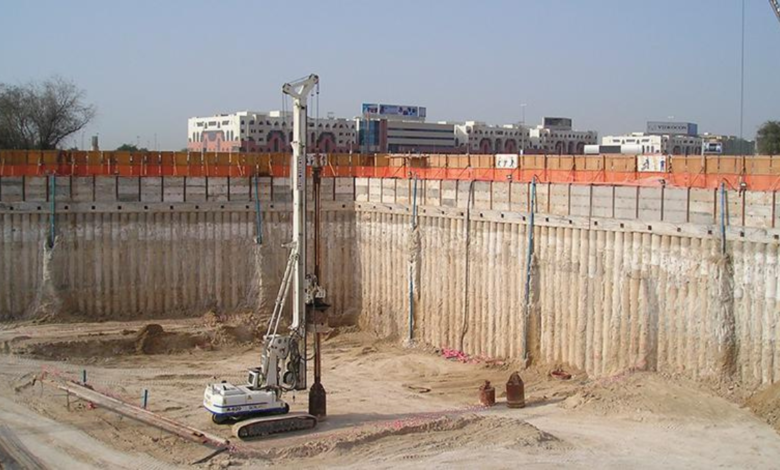
Understanding the types of shoring systems is essential for ensuring safety and stability in construction and excavation work. Shoring systems are temporary structures used to support walls, trenches, or buildings during repairs or construction activities. They prevent collapse, protect workers, and maintain structural integrity in challenging conditions.
In modern construction, choosing the right shoring system can significantly impact project efficiency and cost. From simple timber supports to advanced hydraulic solutions, each system serves a specific purpose. This guide explores the most common types of shoring systems, their uses, and key advantages to help you make informed decisions.
What Are Shoring Systems and Why Are They Important?
Shoring systems are temporary support structures designed to hold up unstable surfaces during construction or excavation. These systems are commonly used in trenches, basements, tunnels, and building renovations. Without proper shoring, soil or structures may collapse, posing serious safety risks to workers and nearby properties.
The importance of understanding types of shoring systems lies in selecting the right method for each project. Factors such as soil type, depth of excavation, and load conditions determine the most suitable system. Proper shoring not only enhances safety but also ensures compliance with construction standards and regulations.
Additionally, shoring systems help maintain project timelines by preventing unexpected delays caused by structural failures. They provide a controlled environment where construction teams can work efficiently and safely.
Timber Shoring Systems
Timber shoring is one of the oldest and most traditional types of shoring systems used in construction. It involves using wooden planks, beams, and posts to support excavation walls or structures. This method is widely used for small-scale projects due to its simplicity and cost-effectiveness.
One of the main advantages of timber shoring is its flexibility. It can be easily cut and adjusted on-site to fit specific project requirements. However, it may not be suitable for deep excavations or heavy loads, as wood has limited strength compared to modern materials like steel.
Despite its limitations, timber shoring remains popular in residential construction and minor repair work. It is especially useful in areas where access to heavy equipment is limited, making it a practical choice for certain applications.
Hydraulic Shoring Systems
Hydraulic shoring is a modern and efficient solution among the various types of shoring systems. It uses hydraulic pistons and metal plates to provide support to trench walls. This system is commonly used in construction projects where safety and speed are top priorities.
One of the biggest benefits of hydraulic shoring is its ease of installation. Workers can set up and adjust the system from outside the trench, reducing the risk of accidents. The hydraulic pressure can be controlled to match soil conditions, ensuring maximum stability.
Moreover, hydraulic shoring systems are reusable and durable, making them a cost-effective option for large projects. Their ability to provide consistent support makes them ideal for deep excavations and unstable soil conditions.
Sheet Piling Shoring Systems
Sheet piling is another widely used method among the types of shoring systems. It involves driving steel, vinyl, or wooden sheets into the ground to create a barrier that prevents soil movement. This system is commonly used in waterfront construction and deep excavations.
The strength of sheet piling lies in its ability to form a continuous wall. This makes it highly effective in preventing water infiltration and soil collapse. It is often used in projects like bridge construction, retaining walls, and underground structures.
However, sheet piling requires specialized equipment for installation, which can increase project costs. Despite this, its durability and effectiveness make it a preferred choice for large-scale and complex construction projects.
Soldier Pile and Lagging Systems
Soldier pile and lagging is a popular technique among the types of shoring systems used in urban construction. It involves installing vertical steel beams (soldier piles) into the ground, followed by horizontal boards (lagging) placed between them to retain soil.
This system is particularly useful for projects with limited space, such as construction in crowded cities. It allows excavation to proceed in stages, providing flexibility and control over the process. The materials used are strong and can handle significant loads.
Another advantage is its adaptability to different soil conditions. While it may not be suitable for very loose or waterlogged soils, it performs well in most urban environments, making it a reliable option for many construction projects.
Soil Nailing Shoring Systems
Soil nailing is an innovative approach among the modern types of shoring systems. It involves inserting steel bars (nails) into the soil and securing them with grout to reinforce the ground. This method creates a stable mass that can support excavation walls.
One of the key benefits of soil nailing is its cost-effectiveness. It requires less material compared to traditional retaining structures, making it an economical choice for certain projects. It is commonly used in slope stabilization and excavation support.
Additionally, soil nailing is less disruptive to the surrounding environment. It allows for minimal excavation and maintains the natural structure of the soil, making it a sustainable option in construction practices.
Trench Shoring Systems
Trench shoring is specifically designed to support the walls of trenches during excavation work. Among the types of shoring systems, this method is crucial for underground utility installations, pipelines, and drainage systems.
Trench shoring systems can include hydraulic supports, aluminum frames, or steel plates. These systems are designed to prevent trench collapse and ensure worker safety. They are widely used in construction projects that involve deep or narrow excavations.
The main advantage of trench shoring is its focus on safety and efficiency. It allows workers to perform tasks within the trench without the risk of soil collapse, making it an essential component of modern construction practices.
Conclusion
Understanding the different types of shoring systems is vital for any construction project. Each system offers unique advantages, from the simplicity of timber shoring to the advanced capabilities of hydraulic and soil nailing systems. Choosing the right method depends on factors such as project size, soil conditions, and safety requirements.
By selecting the appropriate shoring system, construction teams can ensure stability, protect workers, and complete projects efficiently. As construction techniques continue to evolve, modern shoring systems will play an even greater role in improving safety and performance across the industry.
FAQs Types Of Shoring Systems
What are shoring systems used for?
They support structures and prevent collapse during construction work.
Which shoring system is the strongest?
Hydraulic and sheet piling systems are among the strongest.
Is timber shoring still used today?
Yes, mainly for small and simple construction projects.
What is trench shoring?
It supports trench walls to ensure worker safety.
Are hydraulic shoring systems reusable?
Yes, they are durable and designed for multiple uses.
What is soil nailing used for?
It stabilizes slopes and supports excavation walls.
Which shoring system is cost-effective?
Timber and soil nailing systems are generally affordable.
Can shoring systems prevent water entry?
Yes, sheet piling systems can block water effectively.
Also Read: Rubmd OKC

