
Phoenix housing market correction explained with latest trends, home prices, buyer insights, and expert predictions for the Arizona housing market.
The Phoenix housing market correction has become one of the most discussed topics in the U.S. real estate landscape. After years of rapid price growth, shifting demand, and fluctuating mortgage rates, the Phoenix market is now experiencing a noticeable cooling phase. Buyers, sellers, and investors are all trying to understand what this means for the future.
At its core, the Phoenix housing market correction is not just a decline in prices but a broader adjustment in supply, demand, affordability, and buyer psychology. This shift is shaping how homes are valued and how transactions are being completed across the region.
In this article, we will break down the causes, trends, data insights, and future outlook of the Phoenix housing market correction, along with practical strategies for navigating this changing environment.
What is Phoenix Housing Market Correction?
The Phoenix housing market correction refers to a period where home prices stabilize or decline after a phase of rapid appreciation. In Phoenix, this is largely driven by affordability constraints, rising interest rates, and increased housing inventory.
Unlike a housing crash, a correction is typically more gradual and controlled. It reflects a market rebalancing rather than a collapse, where prices adjust to more sustainable levels based on real demand.
In recent years, the Phoenix housing market correction has been influenced by cooling migration trends and shifting investor activity. This has led to more balanced conditions compared to the extreme seller’s market seen during the pandemic boom.
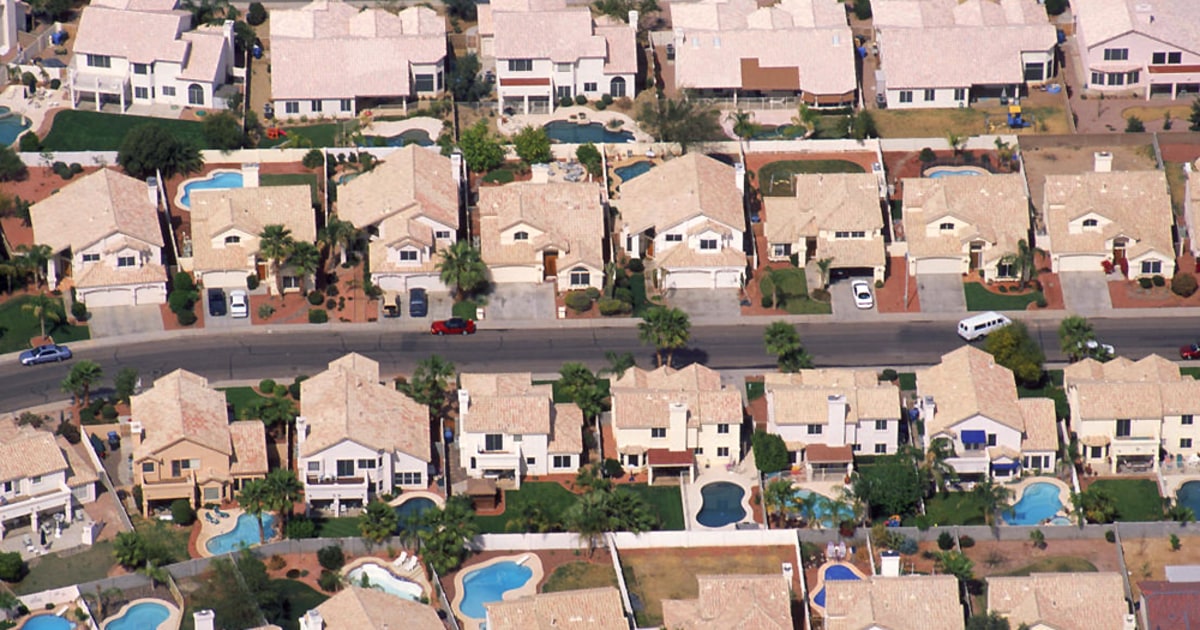
Key Causes of Phoenix Housing Market Correction
One of the main drivers of the Phoenix housing market correction is the rise in mortgage interest rates. Higher borrowing costs have reduced buyer purchasing power, forcing many potential homeowners to delay or reconsider purchases.
Another major factor is increased housing inventory. As more homes stay on the market longer, sellers are being forced to lower prices or offer incentives. This shift has directly contributed to the ongoing Phoenix housing market correction.
Additionally, investor activity has slowed significantly. During the boom, Phoenix attracted a large number of investors, but declining rental yields and higher costs have reduced demand, further intensifying the Phoenix housing market correction.
Current Trends and Market Data
The Phoenix housing market correction is reflected in several key indicators, including price drops, longer days on market, and shifting buyer behavior. While prices are not collapsing, they are adjusting downward in many neighborhoods.
Homes that once sold within days are now taking weeks or even months. This change signals a more balanced market where buyers have regained some negotiating power during the Phoenix housing market correction.
Below is a snapshot of recent market trends:
| Indicator | 2022 Peak | Current Trend | Market Impact |
| Median Home Price | Very High | Slight Decline | Cooling Demand |
| Days on Market | 5–10 Days | 25–45 Days | Slower Sales |
| Inventory Levels | Very Low | Increasing | Buyer Advantage |
| Mortgage Rates | Low | High | Reduced Affordability |
Analysts note that the Phoenix housing market correction is not uniform. Some neighborhoods remain resilient, while others are seeing sharper price adjustments depending on location and demand.
Impact on Buyers and Sellers
For buyers, the Phoenix housing market correction presents new opportunities. With more inventory available and less competition, buyers can negotiate better deals and avoid bidding wars that were common in previous years.
However, higher mortgage rates still offset some of these advantages. Even in a cooling market, affordability remains a challenge for many first-time buyers navigating the Phoenix housing market correction.
For sellers, the situation is more complex. Pricing strategy has become critical, as overpricing can lead to long listing times. Many sellers are now adjusting expectations in response to the Phoenix housing market correction.
Overall, both sides are adapting to a more balanced and realistic market environment.
Investment Outlook and Future Predictions
The long-term outlook for the Phoenix housing market correction suggests gradual stabilization rather than continued decline. Most experts believe that the market is moving toward equilibrium after years of rapid growth.
As one real estate analyst puts it:
“Markets rarely move in straight lines. The current slowdown is a natural response to unsustainable price acceleration.”
This perspective highlights that the Phoenix housing market correction may eventually create healthier conditions for long-term growth. Once interest rates stabilize, demand is expected to recover gradually.
Investors are also watching closely. While short-term returns may be lower, long-term appreciation potential in Phoenix remains strong due to population growth and job expansion.

Strategies to Navigate the Market
Navigating the Phoenix housing market correction requires careful planning for both buyers and sellers. Timing, pricing, and financial preparation play a crucial role in making smart decisions.
Buyers should focus on long-term affordability rather than short-term market timing. With improved negotiation power, the Phoenix housing market correction allows buyers to secure better deals if they remain patient and financially prepared.
Sellers, on the other hand, need to adopt competitive pricing strategies. Overpricing can lead to stagnant listings, especially during the Phoenix housing market correction, where buyers are more selective and price-sensitive.
As one local realtor notes:
“Flexibility is the new advantage. Sellers who adapt quickly to market changes tend to succeed even in a correction phase.”
Related Market Indicators
Several economic and real estate indicators help explain the Phoenix housing market correction more clearly. These include employment growth, population inflows, and rental market trends.
Phoenix continues to experience steady population growth, which supports long-term housing demand. However, short-term imbalances have contributed to the Phoenix housing market correction as supply temporarily outpaces demand.
Rental prices are also stabilizing, signaling a broader cooling effect across both ownership and rental segments. This alignment further confirms the ongoing Phoenix housing market correction.

Conclusion
The Phoenix housing market correction represents a significant but natural phase in the city’s real estate cycle. After years of rapid appreciation, the market is now adjusting toward more sustainable levels.
While short-term uncertainty remains, the long-term fundamentals of Phoenix—population growth, job opportunities, and urban expansion—continue to support future stability. The Phoenix housing market correction may ultimately set the stage for a healthier and more balanced housing environment in the years ahead.
FAQs
What is driving the Phoenix housing market correction?
The main drivers include higher mortgage rates, increased inventory, and reduced investor activity. Together, these factors have contributed to the ongoing Phoenix housing market correction, slowing down price growth.
Is the Phoenix housing market correction a crash?
No, it is not a crash. The Phoenix housing market correction is a gradual adjustment in prices and demand, not a sudden collapse. It reflects market rebalancing rather than instability.
How long will the Phoenix housing market correction last?
Experts believe the Phoenix housing market correction may continue in the short term but will stabilize as interest rates level out and demand returns.
Is it a good time to buy during the Phoenix housing market correction?
For many buyers, yes. The Phoenix housing market correction offers more inventory and better negotiation opportunities, although affordability still depends on mortgage rates.
What should sellers do during the Phoenix housing market correction?
Sellers should price competitively and be flexible with negotiations. In the Phoenix housing market correction, realistic pricing is key to attracting serious buyers.
Will home prices recover after the Phoenix housing market correction?
Most analysts expect gradual recovery over time. The Phoenix housing market correction is seen as a temporary adjustment before long-term growth resumes.